






|
|
|
|
 |
|
From the Prehistoric Age to the Umbrian, Etruscan and Roman civilisations
|
 |
|
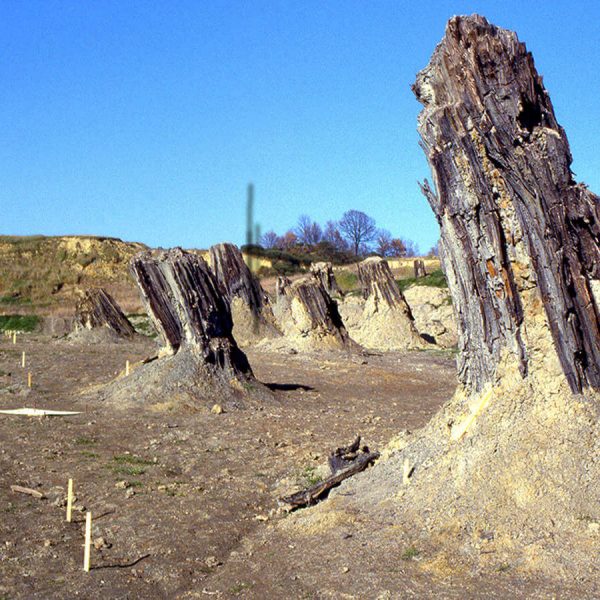
Dunarobba fossil forest
Avigliano Umbro
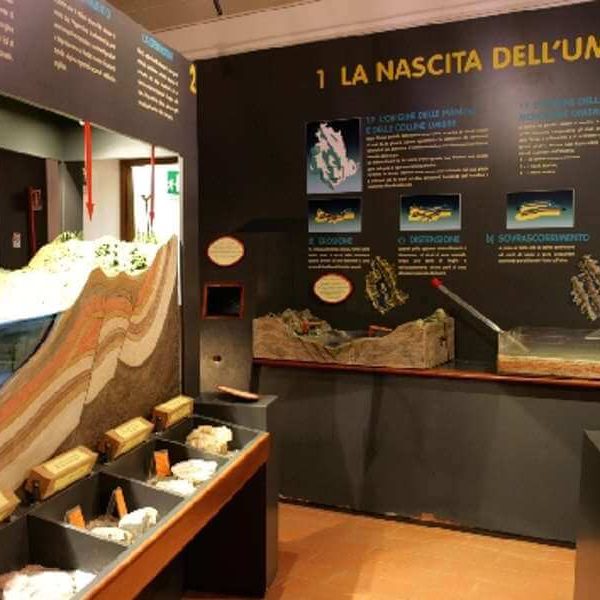
The peculiarity of these impressive archaeological finds is
that the fossil trunks have kept their erect position and their woody
structure. They date back to 3 million years ago and they reach 5 feet
in diameter. |
This area, which has been inhabited ever since the Prehistoric
Age, was the cradle of extremely interesting civilisations, such
as the Umbrians, the Etruscans and, later, the Romans. The Umbrian
and the Etruscan civilisations used to inhabit, respectively, the
left side and the right side of the Tevere river. The river served
as the border between the two populations, which developed their
own cultural identity, their customs and rites, as well as their
own artistic production. Only later, these two civilisations were
replaced by the Romans who invaded their territory |
|
| The Prehistoric Age |
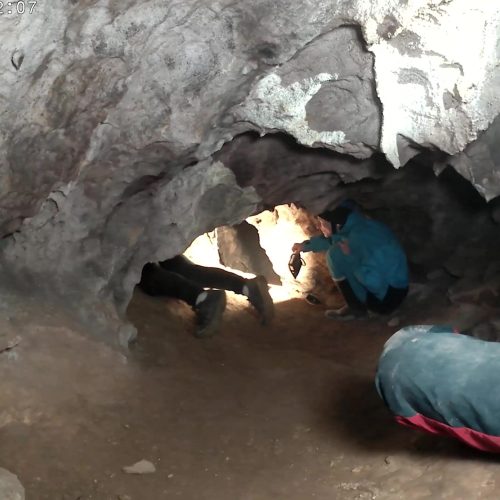
Traces of the Prehistoric Age were found in the “Tane del
Diavolo” of Parrano, on Mount Peglia, inside Titignano caves
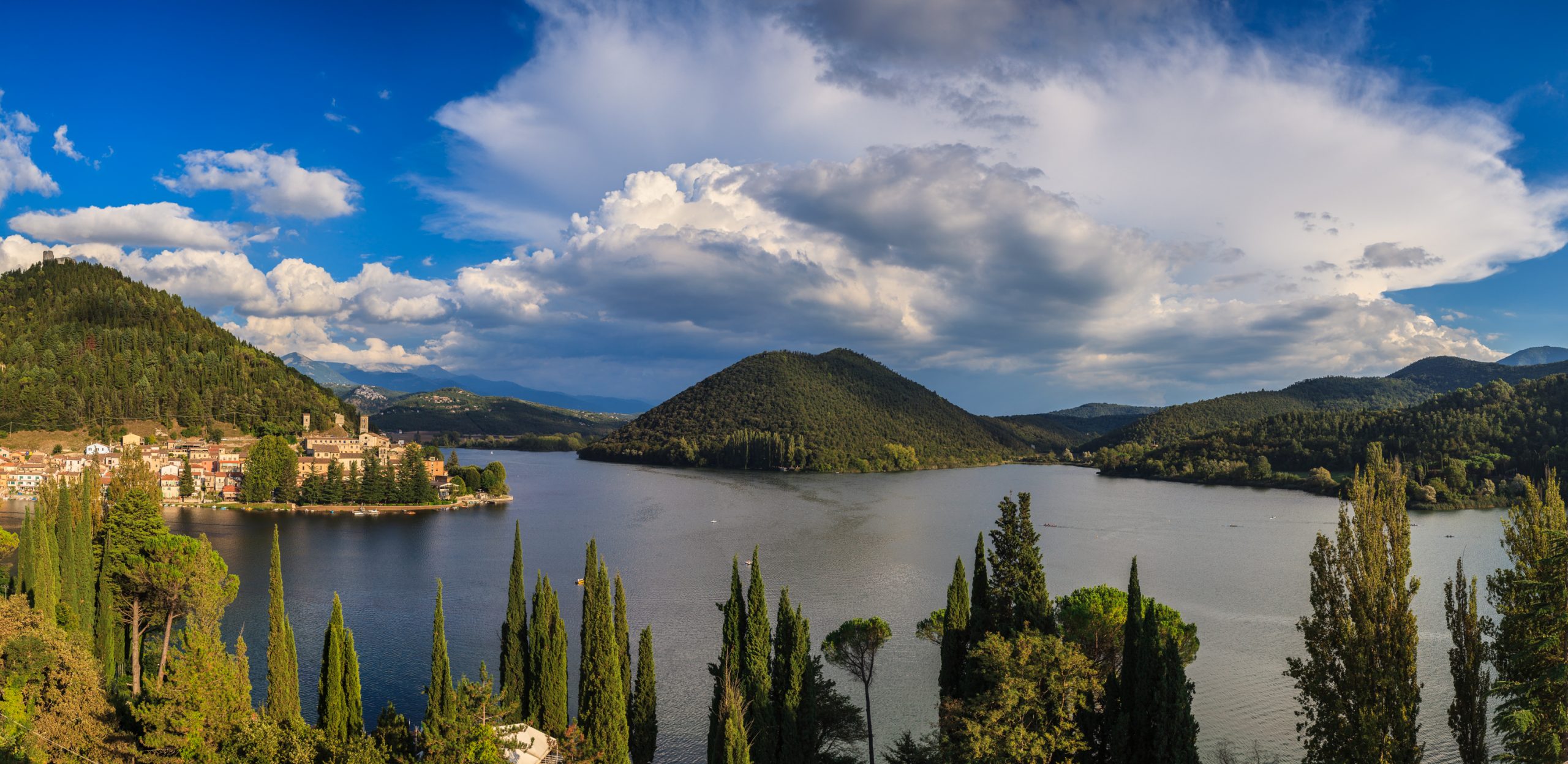
and along the shore of Piediluco lake. |
|
| Archaeological routes of the Umbrians |
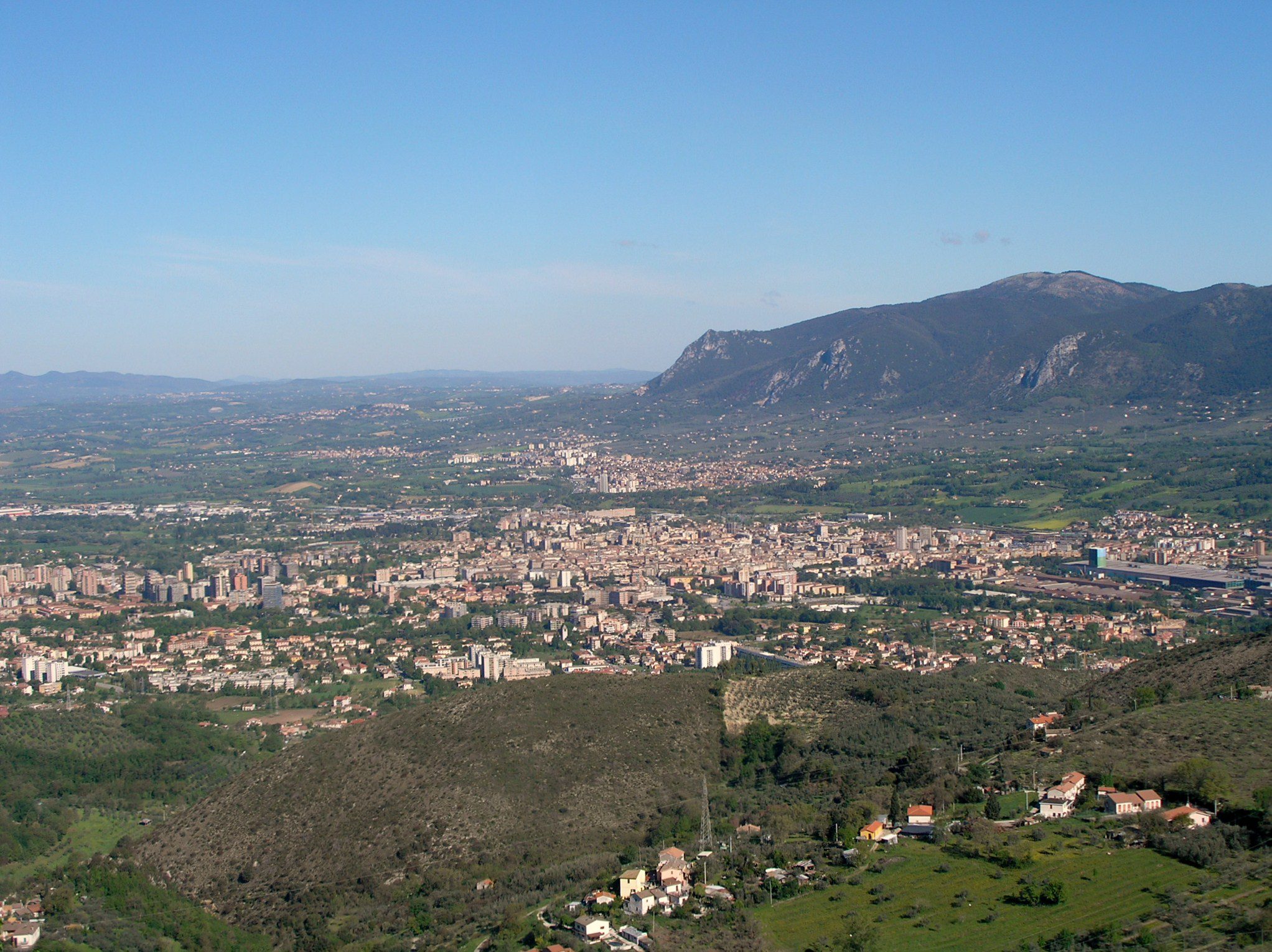
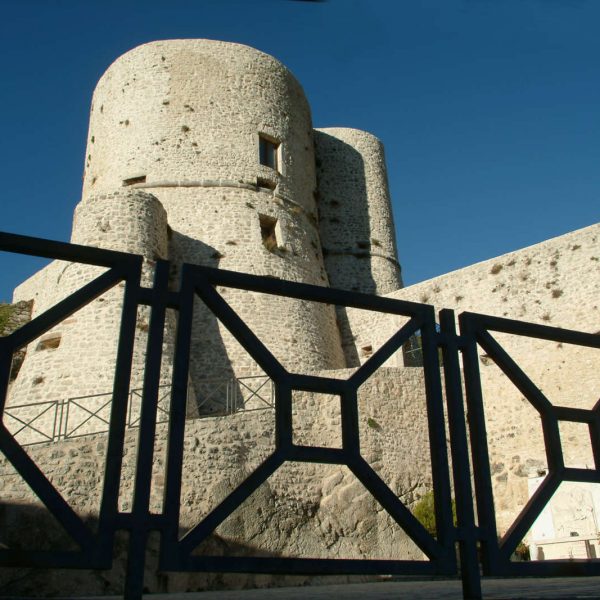
Terni, Narni, Otricoli and Amelia used to be the most significant
settlements of the Umbrian population. The major old Umbrian cities
were characterised by cyclopean town walls composed of huge squared
blocks held together without any grout. Amelia town walls are the
most impressive example of this technique. Equally interesting are
the walls that can be admired in Narni, in Cesi and on Mount Torre
Maggiore, where two Italic temples are also visible. Not to be missed
are San Pietro in Campo and the steel mill’s necropolises in
Terni along with the remains of the Italic temples in Calvi. |
|
| Archaeological routes of the Etruscans |
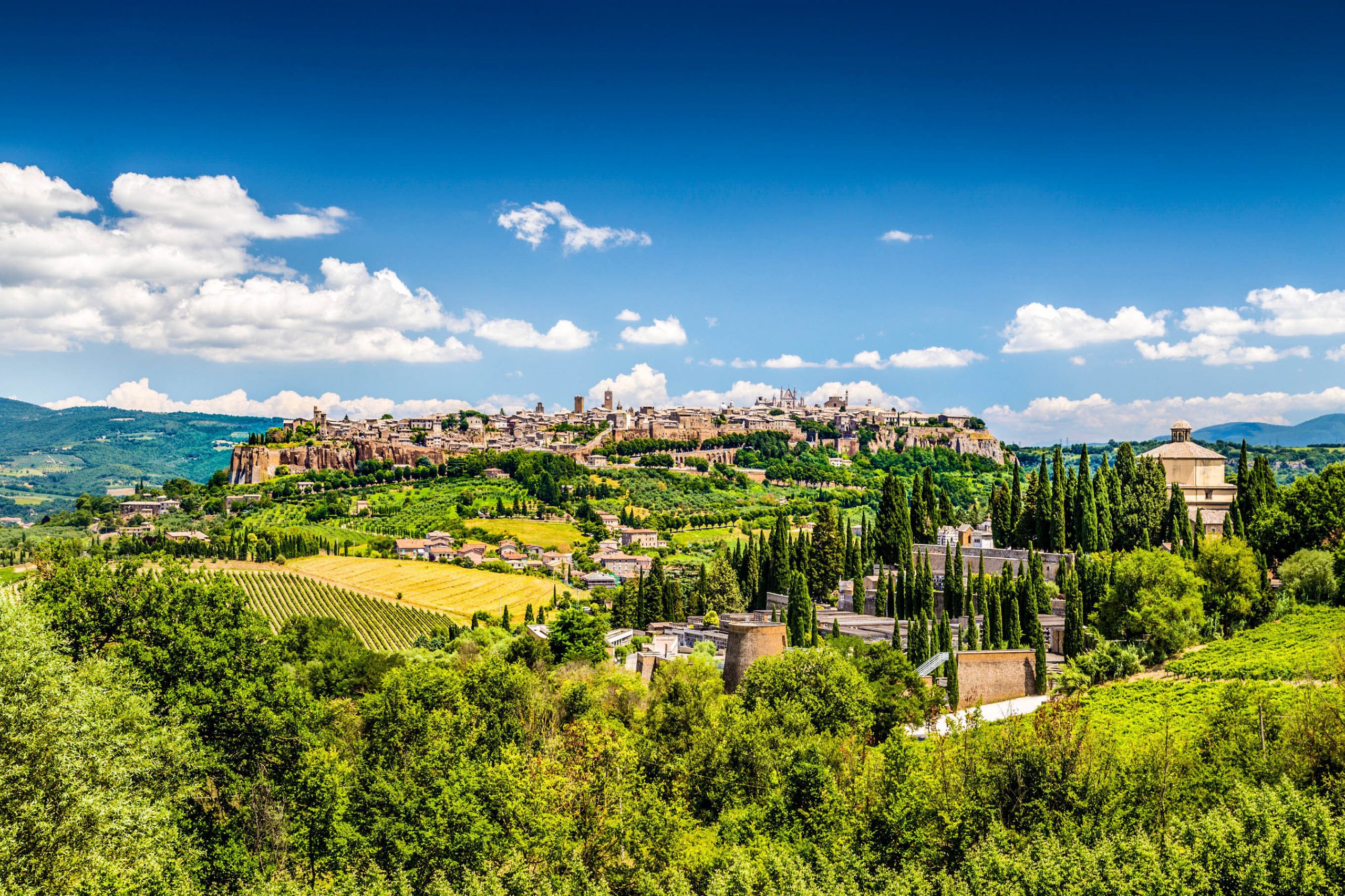
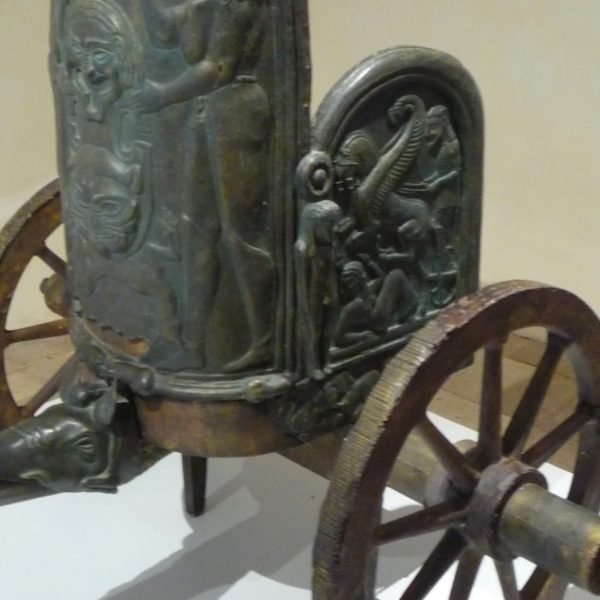
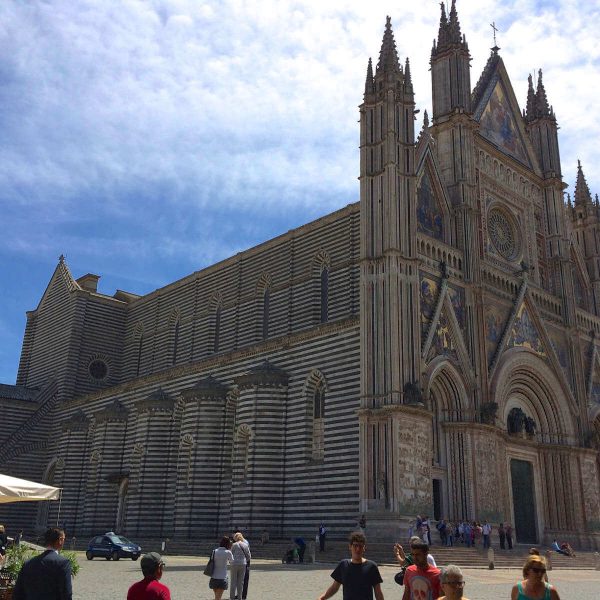
Orvieto, the ancient city of Velzna, was a major Etruscan city
and also the place where the sanctuary of the Fanum Voltumnae League
used to be. In the whole area of Orvieto are numerous traces of this
old civilisation. Among the most important remains are the necropolises:
Crocifisso del Tufo and Cannicella necropolises in Orvieto – the
biggest ones of the whole area – Porano necropolis with its
Golini and Hescanas tombs and Copio necropolis, between Baschi and
Montecchio, where also some Italic tombs were found. Many other interesting
finds are exhibited in the museums of Orvieto. |
|
| Archaeological routes of the Romans |
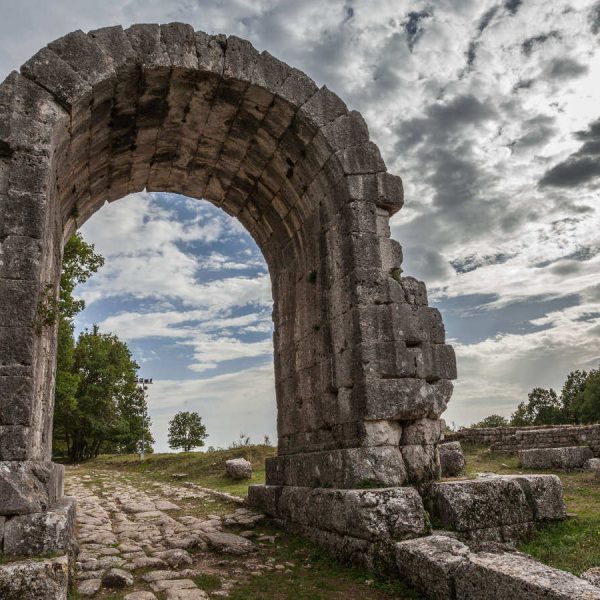
In the 3rd century BC the Romans started to colonise this territory
by conquering the consular roads (such as the Via Flaminia, the Via
Amerina and the Via Cassia), as well as waterways like the Tevere
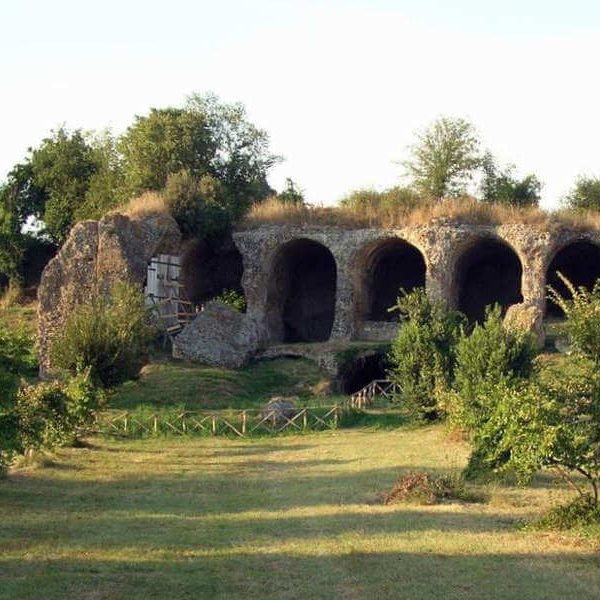
river and the Nera river. From then on, many cities (Carsulae and
Ocriculum among others) ports and aqueducts sprang up. Along the
Tevere river, which was once navigable, several country-houses and
farms – as well as a few ports - were built. Interesting remains
(such as Pagliano port) were found at the confluence of the Tevere
and Paglia rivers. |
|